

Crypto Trading High-Frequency: A Complete Guide
The world of finance is rapidly evolving, and one of the most transformative innovations in recent years is Crypto Trading High-Frequency. This form of trading leverages technology to execute multiple orders at incredibly high speeds. It’s not just a trend; it’s a revolution in how traders interact with the crypto market. Crypto Trading High-Frequency https://www.brighteon.com/3a433bcc-b17d-4afc-a531-784e06a6bfb1
Understanding High-Frequency Trading (HFT)
High-Frequency Trading (HFT) involves the execution of a large number of orders at extremely high speeds. In the crypto market, where volatility reigns supreme, HFT has become an attractive strategy for many traders looking to capitalize on minute price movements. HFT firms employ sophisticated algorithms and powerful servers placed close to exchanges to minimize latency, enabling them to react quickly to market changes.
The Technology Behind Crypto Trading HFT
The backbone of HFT in cryptocurrency trading is advanced technology. Traders utilize algorithms that analyze market data, identify trading opportunities, and execute orders in milliseconds. Key components of HFT technology include:
- Algorithmic Trading Systems: These systems are pre-programmed to execute trades based on specific criteria, such as price movements or market trends.
- Low-Latency Networks: HFT traders rely on high-speed internet connections and proximity hosting to exchanges to reduce the time it takes to send and receive data.
- Big Data Analytics: The ability to analyze vast amounts of data in real-time helps traders make informed decisions quickly.
Strategies for High-Frequency Crypto Trading
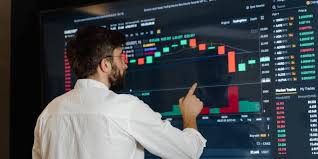
There are several strategies that traders use in high-frequency trading, including:
1. Market Making
Market makers provide liquidity to the market by placing buy and sell orders. They profit from the difference between the buy and sell prices, known as the spread.
2. Arbitrage
This strategy involves exploiting price differences of the same asset across different exchanges. HFT traders can buy low on one platform and sell high on another, pocketing the difference.
3. Momentum Trading
This strategy focuses on trading based on trends. HFT traders look for short-term price momentum and aim to enter and exit positions rapidly to capture small profits.
Risks Involved in High-Frequency Trading
While high-frequency trading can yield high profits, it comes with its own set of risks:
- Market Volatility: Rapid price movements can lead to significant losses.
- Technical Failures: Dependence on technology means that any failure in algorithms or systems can result in substantial financial losses.
- Regulatory Risks: As the crypto market evolves, so too does regulation, and changes could impact HFT practices.
Is High-Frequency Trading Right for You?
High-frequency trading is not for everyone. It requires a significant investment in technology, a deep understanding of the market, and the ability to manage risk effectively. For those willing to take on the challenge, however, the potential rewards can be substantial.
Conclusion
Crypto Trading High-Frequency represents a frontier in the financial markets, one that combines speed, technology, and strategy. As the crypto landscape continues to evolve, traders who embrace these methodologies may find themselves at the forefront of the next financial revolution. By understanding the intricacies of high-frequency trading and employing sound strategies, traders can carve out a niche in this competitive space.