
Understanding Forex Currency Trading Brokers
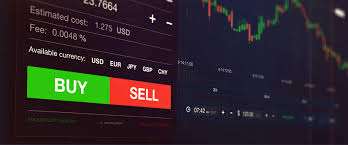
In the world of financial trading, Forex currency trading has become one of the most popular forms of investment. For both new and experienced traders, understanding the role of Forex currency trading brokers is essential to maximize their trading potential. Whether you are looking to invest your savings or aiming for a full-time trading career, choosing the right broker is a critical step. To assist you in navigating this complex landscape, we will delve into key concepts, characteristics of brokers, and practical tips for selection, incorporating insights from forex currency trading broker protradinguae.com.
What is Forex Trading?
Forex trading, or foreign exchange trading, involves the buying and selling of currencies in pairs. The market operates 24 hours a day, five days a week, and is one of the largest financial markets in the world. The idea is to profit from changes in currency exchange rates. For example, if you buy the Euro and sell the US Dollar, you hope that the Euro will strengthen against the Dollar, enabling you to sell it for a profit later.
What is a Forex Broker?
A Forex broker acts as an intermediary between traders and the interbank network. They provide a platform for traders to execute their trades, but the selection of a good broker can make a significant difference in trading success. Forex brokers earn money through spreads (the difference between buying and selling prices) and sometimes through commissions.
Types of Forex Brokers
Forex brokers can generally be categorized into three types:
- Dealing Desk (Market Maker): These brokers provide liquidity and take the opposite side of the trade. They often offer fixed spreads but may exhibit conflicts of interest as they can benefit from client losses.
- No Dealing Desk Brokers (ECN/NDD): These brokers connect traders directly to the interbank market, allowing for variable spreads. While they typically charge a commission, they offer greater transparency and the possibility of enjoying lower trading costs.
- Electronic Communication Network (ECN) Brokers: ECN brokers allow traders to interact directly with other market participants. They can provide deeper liquidity and tighter spreads, often resulting in better pricing.

Factors to Consider When Choosing a Forex Broker
Your choice of Forex broker can have a significant impact on your trading success. Here are several key factors to consider:
Regulation and Security
One of the primary concerns when choosing a broker is ensuring they are regulated by a credible authority. Regulation helps protect your funds and ensures the broker adheres to stringent guidelines. Some of the leading regulatory bodies are the Financial Conduct Authority (FCA) in the UK, the Commodity Futures Trading Commission (CFTC) in the US, and the Australian Securities and Investments Commission (ASIC).
Trading Platform
The trading platform is your main interface for executing trades, analyzing markets, and managing accounts. Most brokers offer popular platforms like MetaTrader 4 or 5. It’s crucial that the platform is user-friendly, offers advanced analytical tools, and provides a demo account for practice.
Spreads and Commissions
As mentioned earlier, brokers earn money from spreads and commissions. It’s essential to understand the pricing model of your chosen broker. Low spreads can translate to cost savings over time, but ensure you aren’t compromising on service quality for lower costs.
Customer Support
Reliable customer support is essential, especially for new traders who might need assistance. Check the availability of customer support across different channels—phone, live chat, and email—and ensure they offer assistance in your preferred language.
Account Types and Leverage
Different brokers may offer various account types to cater to different trading preferences. Look for a broker that provides accounts for different levels of expertise and trading volume. Also, consider the leverage offered; higher leverage can magnify gains but also increases the risk of significant losses.
Educational Resources
A broker that offers educational resources such as webinars, tutorials, and market analysis can be a valuable advantage, especially for beginner traders. Continuous learning can help improve your trading strategy and decision-making skills.
Popular Forex Brokers
Some of the most reputable Forex brokers in the industry include:
- IG: A well-regarded broker offering a robust platform and wide range of assets.
- OANDA: Known for its strong regulatory status and comprehensive trading tools.
- Forex.com: Offers a user-friendly platform and educational resources.
- Interactive Brokers: Suitable for advanced traders looking for a range of investment options.
Conclusion
Choosing the right Forex currency trading broker is a crucial decision that can affect your trading journey. By considering factors such as regulatory status, trading platform, spreads, customer support, and educational resources, you will be better equipped to select a broker that aligns with your trading goals. Remember, investing time in research can lead to smarter trading decisions. As you dive into the fast-paced world of Forex trading, make sure to stay informed and continuously adapt your strategies according to market changes.